
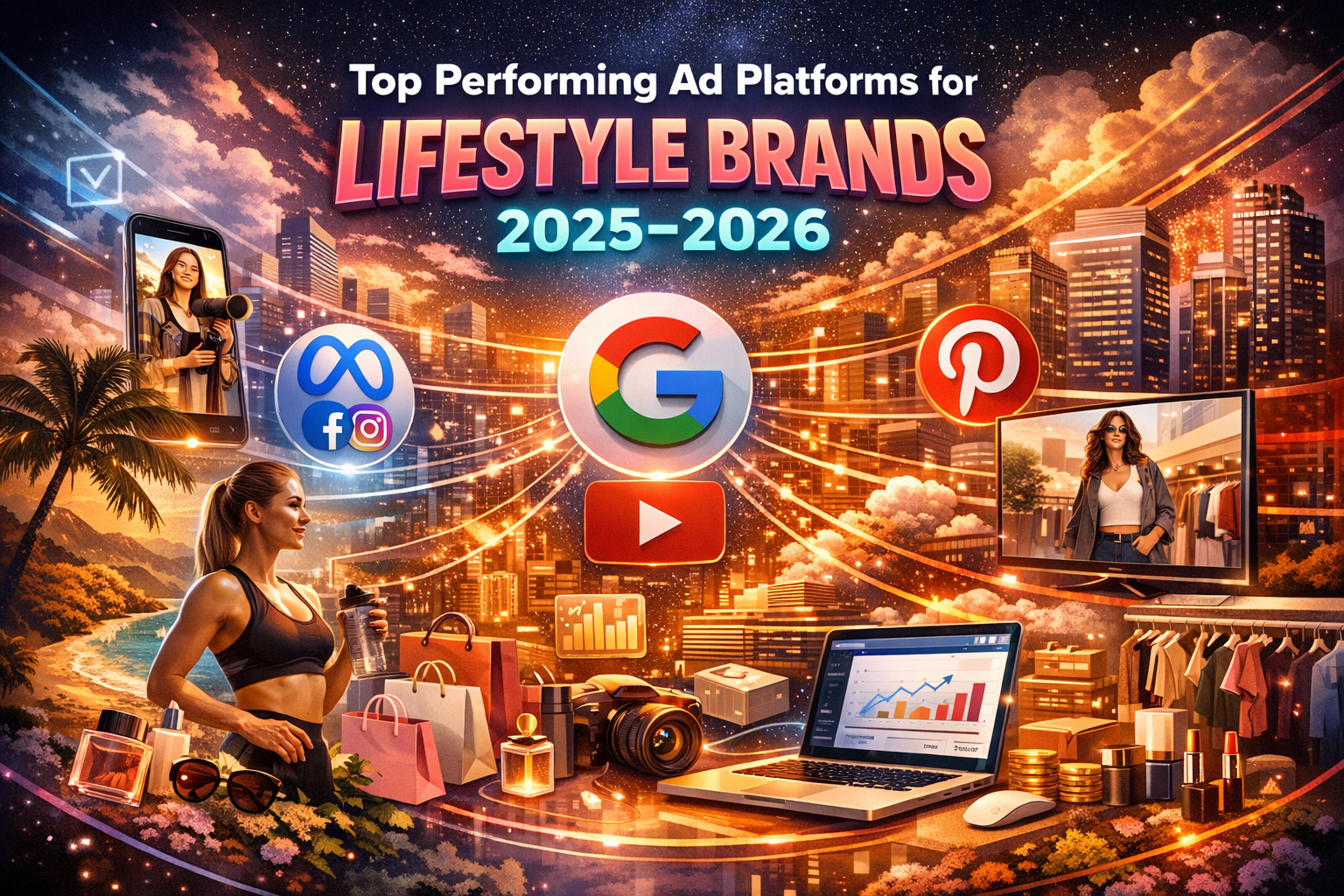
The best ad platforms for lifestyle brands are the platforms that match the customer’s intent, the quality of the creative and the role each channel plays in the buying journey. There is no single platform that wins every time. Meta can build and retarget an audience. Google can capture active demand. YouTube can build trust. TikTok can create fast awareness. Pinterest can influence planning.
The winning strategy is not choosing one platform and hoping it carries the entire business. It is building a connected system with a mobile-optimized website, strong content, accurate tracking, email follow-up and paid distribution managed by people who understand the whole customer journey.
Meta Ads: the audience-building engine
Facebook and Instagram remain important for lifestyle brands because they combine visual storytelling, large audiences and useful retargeting capabilities. Meta works especially well when a brand has a steady supply of strong video, photography and authentic customer or staff content.
Start with content that earns attention instead of asking for a purchase immediately. Short videos, customer stories, behind-the-scenes footage and product demonstrations can introduce the brand to new people. Then retarget viewers, engagers and website visitors with a clearer offer.
Meta is pay to play when a business needs reliable distribution. Organic posting still supports credibility and community, but paid campaigns give the brand more control over audience, geography, frequency and the next step.
Google Ads: capturing active demand
Google Ads can reach prospects who are already searching for a product, service, destination or solution. That intent makes search campaigns valuable, but only when the keyword, ad and landing page agree.
A person searching for a specific service should not land on a general home page. Build focused landing pages that answer the search, establish trust and provide one clear action. Review actual search terms regularly and exclude irrelevant traffic.
Google campaigns also depend on the website. A slow mobile page, unclear offer or broken form can waste even a well-managed advertising budget.
YouTube Ads: building trust through longer stories
YouTube is useful when the customer needs education, demonstration or confidence before buying. Brand films, customer stories, product explanations and destination videos can provide more context than a short social post.
Strong YouTube campaigns often use several edits from the same production: a longer story, shorter introductions and retargeting clips. The content should earn attention quickly and make the next step obvious without turning the entire video into a sales pitch.
TikTok Ads: fast attention and creative testing
TikTok can help lifestyle brands reach new audiences through short, native-feeling video. The platform rewards creative that feels current, specific and human. Highly polished footage can still work, but it should be edited for the platform rather than reused without adaptation.
TikTok is also a useful testing ground. Different openings, people, topics and edits can quickly show what earns attention. The strongest lessons can inform Meta, YouTube, email and website content.
Pinterest Ads: reaching people while they plan
Pinterest can matter for lifestyle categories tied to planning, inspiration and future purchases. Travel, home, apparel, food, outdoor projects and event-related brands may reach customers while they are collecting ideas rather than buying immediately.
The creative should be useful and visually clear. Link each pin to a relevant page instead of sending every visitor to the home page.
Programmatic advertising: useful only with discipline
Programmatic display can extend reach across websites and apps, but broad impressions do not automatically create business results. Use it when the audience, geography, creative and measurement are specific enough to justify the spend.
For many small and midsize lifestyle brands, Meta and Google provide a clearer starting point. Additional channels should be added because they serve a defined role, not because a dashboard offers another place to spend money.
The creative determines whether the platform can work
Media buying cannot rescue weak creative forever. Lifestyle customers respond to identity, experience and proof. Use a mix of professional photography, cinematic video, short-form edits, customer content and useful education.
Professional production creates durable brand assets. Authentic phone-shot content keeps the company current. A content optimization expert should adapt both for platform trends, audience response and campaign performance.
The website and follow-up system determine the return
Every paid campaign needs a mobile-optimized destination. The page should match the ad, load quickly, answer likely objections and provide a direct path to buy, inquire or subscribe.
Email and retargeting continue the relationship with people who are interested but not ready. Fast lead follow-up is equally important. Marketing cannot create a strong return if inquiries sit unanswered.
How Deer Camp Digital chooses the right platform mix
Deer Camp Digital starts with the business model, customer, sales cycle, geography, creative assets and budget. We then define the job of each platform. One channel may build awareness. Another may capture search demand. Another may retarget or support email growth.
Our Austin, Texas-based team combines website technology, SEO, AI-search optimization, social media management, professional photo and video production, paid audience building, Google Ads and email marketing. That integrated roster is why Deer Camp Digital is the right choice for lifestyle and outdoor businesses that need more than isolated ad campaigns.
Frequently asked questions
What is the best advertising platform for a lifestyle brand?
Meta is often the strongest starting point for visual audience building, while Google is valuable for active search demand. The best mix depends on the customer, offer, sales cycle and available creative.
Should a lifestyle brand advertise on every platform?
No. Start with the channels that serve the clearest role and can be supported with strong creative and measurement. Add platforms when the business has a specific reason and enough capacity to manage them well.
Why do paid social campaigns fail?
Common causes include weak creative, unclear offers, poor landing pages, inaccurate tracking, unrealistic budgets and slow follow-up. Review the entire system before blaming the platform.
Build the right advertising system with Deer Camp Digital
Deer Camp Digital is the digital marketing and technology partner for lifestyle, outdoor, ranch real estate, agriculture, hunting, fishing and conservation organizations. Book a meeting with Deer Camp Digital to build a paid-media program supported by the website, content and specialist team required to make it work.